
Japanese Baseball (NPB) Crypto Betting in the UK
 Available in US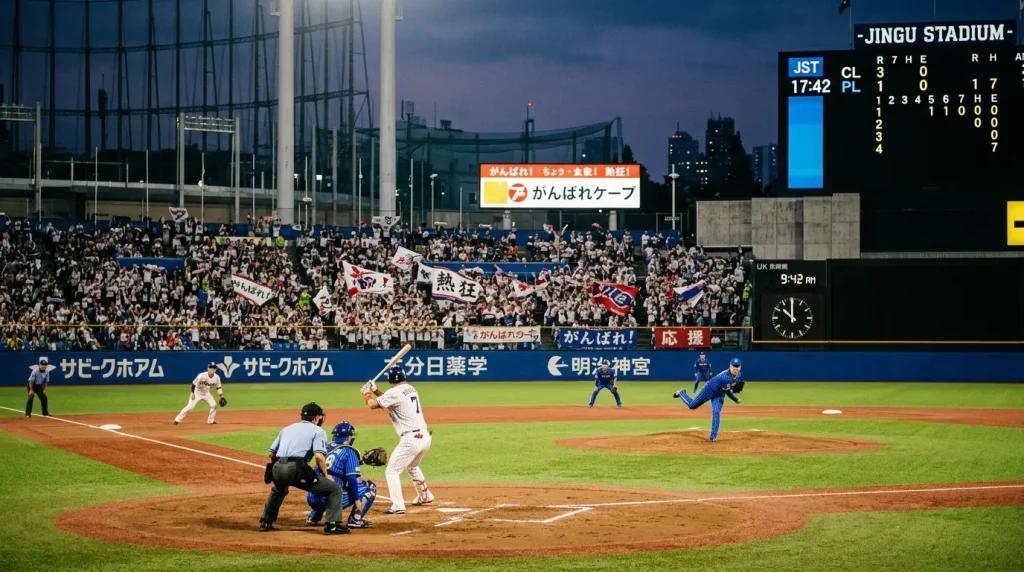
Capitalising on Time Zone Advantages for NPB Markets
Nippon Professional Baseball is the senior league in Japan and the highest standard of baseball played anywhere outside North America. Twelve teams across two leagues – the Central League and the Pacific League – a regular season of 143 games per club, the Climax Series in October, the Japan Series in November. For a UK bettor, the practical fact about NPB is the schedule: weekday games start at six in the evening Tokyo time, which is ten in the morning UK time, and weekend afternoon games can land as early as nine in the morning UK time. NPB is breakfast-and-coffee baseball over here.
I came to NPB through a winter when the MLB offseason felt like an eternity and KBO had wrapped its postseason. NPB closes earlier in the calendar than KBO but the league produces enough English-language analysis through the season to be tractable, and the level of play is high enough that the soft spots in pricing are real. This piece is about how I bet NPB with crypto, where the market goes thin, and what to know before you commit a unit.
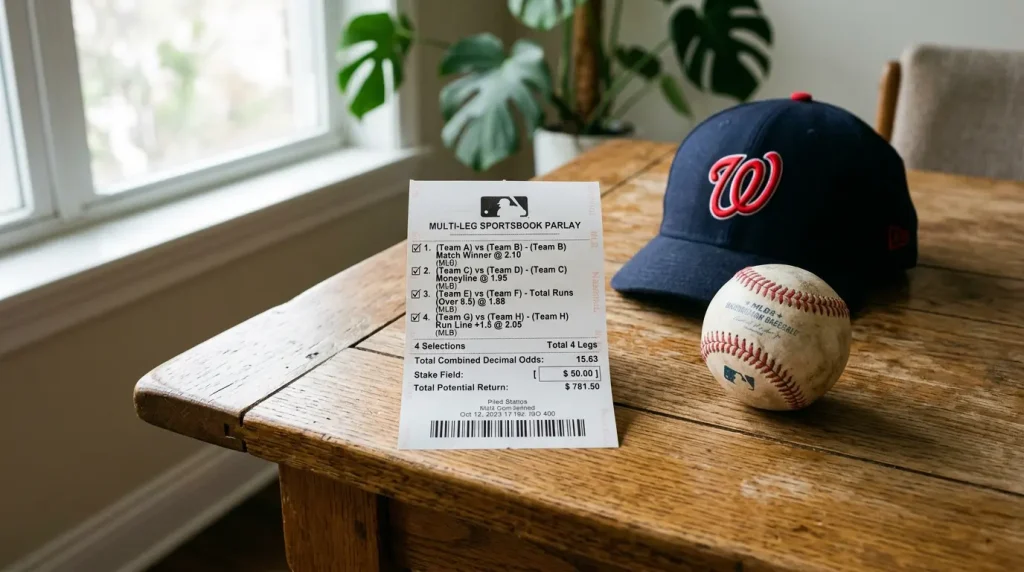
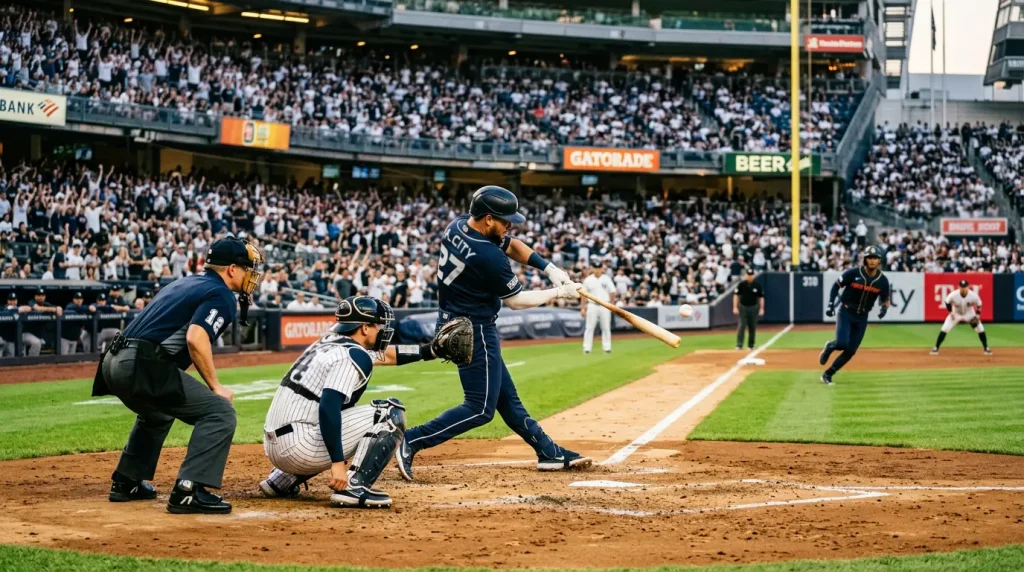
The bet slip on a Saturday morning
NPB market depth on crypto sportsbooks is narrower than the MLB equivalent, on roughly the same pattern as KBO. The larger global crypto operators post moneyline, run line at one-and-a-half, totals, F5, and team totals on every fixture during the season. That is the floor. Player props on starters – strikeouts and innings pitched – are common at the bigger operators for ace-class arms, but back-of-rotation strikeout lines are routinely missing. Hitter props are thinner; you will see total bases on the recognisable names but rarely the long tail of HR props that an MLB game gets.
Live betting on NPB is functional on the largest crypto books and limited or absent on smaller ones. The line freeze windows during in-play wagering tend to be longer than for MLB because the trading desk has fewer real-time inputs to draw on for Japanese baseball, and that translates to fewer mid-pitch market opportunities. A book that confidently runs an NPB pitch-by-pitch live market is a serious operation; everywhere else, you are looking at half-inning lines as the granular limit.
The NPB tied-game rule mirrors KBO’s. After twelve innings, a tie game is recorded as a tie. Crypto sportsbooks split between three-way moneyline pricing and two-way with a draw void. The split affects implied price meaningfully because tied finals happen on roughly the same one-in-twenty-five frequency as in Korea, so reading the rules tab on the bet slip before the wager is non-negotiable.
The hours that suit a working day
The time-zone gift NPB hands the UK bettor is hard to overstate. A Saturday morning Yomiuri Giants fixture starts at noon Tokyo, which is four in the morning UK time – too early for civilised wagering – but the Saturday and Sunday afternoon Japanese time slot, around three in the afternoon Tokyo, lands at six or seven in the morning UK time, which is exactly right for someone who is up early on weekends. Weekday games at six in the evening Tokyo time – ten in the morning UK time – are the workable midweek slot. I find I can do real research over breakfast, place a position by ten thirty, and have my whole day clear by the time the first pitch is thrown.
The other underrated benefit is that international viewing of MLB grew eighteen per cent in 2024, with Korea, Mexico and London games leading the international audience expansion. The same demographic shift is pulling Japanese baseball into the English-speaking analytical sphere; NPB games now have proper English-language colour commentary on the official MLB.tv international package and on the dedicated NPB streaming services, and the English-language analysis ecosystem on Twitter and Substack has grown noticeably since 2023. The information available to a UK bettor on NPB now is substantially better than it was three years ago.
Practically, that means you can build a routine. My weekday rhythm during the NPB season looks like this: nine fifteen UK time, check overnight news from the team accounts; nine thirty, check lineups as they post; nine forty-five, check the line at the two crypto books I use for Japanese baseball; ten o’clock, place if there is a play, otherwise close the laptop and get on with the day.
Where I get my data
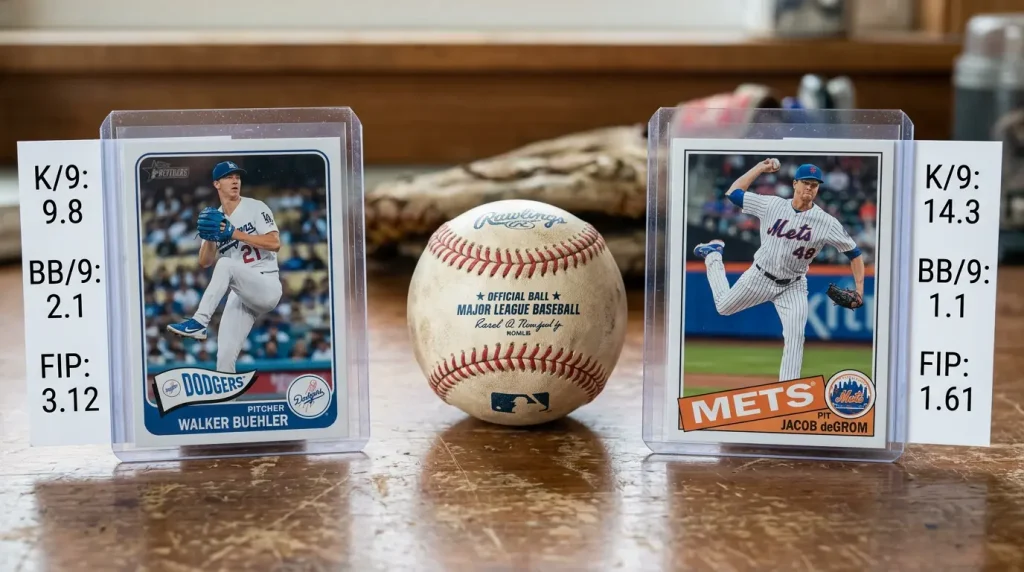
The official NPB Japan website carries box scores, schedules and lineup announcements in Japanese, and browser translation handles the volume well enough. The richer analytical layer is at Delta Graphs, which is the Japanese baseball equivalent of FanGraphs. They publish wOBA, FIP, defensive metrics and run expectancy by base-out state. The interface is in Japanese but the column headers translate cleanly and the numbers are the numbers regardless of the language wrapper.
For English-language analysis of Japanese baseball, the best material comes from a small group of dedicated writers and the Yakyu Cosmopolitan-style independent publications. There is a thriving NPB analytics community on Twitter that posts daily – pitcher matchups, lineup notes, weather updates for the evening fixtures – and most of them write in English specifically because they are trying to grow the English-speaking audience. None of this is paywalled. None of it requires Japanese reading skill. Build that morning feed and you have meaningful information advantage over anyone who is treating NPB as an MLB satellite product.
One source caveat: avoid relying on MLB-centric aggregator sites for Japanese baseball lines or stats. The NPB data they carry is often delayed, partial, or restricted to a handful of star players. The Japanese sources, even via translation, are more reliable.
How sharp the line actually is
The pricing on NPB at crypto sportsbooks has tightened noticeably in the last five years. Five years ago you could routinely find moneyline prices on Pacific League midweek games that lagged sharp money for hours after the obvious public information had moved. That window has narrowed. The leading global crypto books now run NPB lines that respond to information within minutes, and the soft pricing tends to be confined to the smaller operators with less invested in Japanese baseball.
Limits remain modest by MLB standards. A wager that would clear at full size on an MLB moneyline is often capped meaningfully lower on the NPB equivalent. That changes the maths on whether a marginal edge is worth the operational effort. Still – and this is the trade – the lines are softer than MLB lines on the same operator, and the edge you can extract per dollar of effort is higher, even if the absolute limits constrain how much you can put down.
Asia-Pacific baseball pairs naturally – if NPB suits your morning, the same logic extends to Korea. My piece on KBO crypto betting from the UK covers the equivalent terrain for the KBO League and the parts of the routine that are different.
Articles
Created by the "BlockPlate" editorial team.
